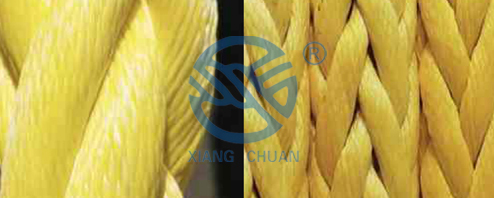
Cáp treo vô tận, còn được gọi là cáp treo grommet hoặc cáp treo tròn vô tận, được sử dụng rộng rãi trong các ứng dụng nâng và lắp đặt do tính linh hoạt, sức mạnh và dễ sử dụng của chúng. Những dây cáp này được làm từ vật liệu tổng hợp như polyester hoặc nylon và được thiết kế để tạo thành một vòng liên tục, khiến chúng trở nên lý tưởng cho các hình thức nâng khác nhau. Tuy nhiên, để đảm bảo an toàn và hiệu quả, điều quan trọng là phải tính toán chính xác Tải trọng làm việc an toàn (SWL) của dây cáp vô tận. Bài viết này cung cấp hướng dẫn toàn diện về cách xác định SWL của cáp treo vô tận.
1. Hiểu các khái niệm cơ bản về Tải trọng làm việc an toàn (SWL)
Tải trọng làm việc an toàn (SWL) là tải trọng tối đa mà dây treo có thể xử lý an toàn trong điều kiện làm việc bình thường. Nó được xác định bởi nhà sản xuất dựa trên vật liệu, cấu trúc và thiết kế của dây đeo. Vượt quá SWL có thể dẫn đến hư hỏng thiết bị, tai nạn và thương tích. Vì vậy, hiểu cách tính toán và áp dụng SWL là điều cần thiết để vận hành nâng hạ an toàn.
2. Xác định thông số kỹ thuật của nhà sản xuất
Bước đầu tiên trong việc tính toán SWL của dây treo vô tận là tham khảo thông số kỹ thuật của nhà sản xuất. Hầu hết các dây treo vô tận đều có nhãn hoặc thẻ cung cấp thông tin quan trọng, bao gồm:
Loại vật liệu (ví dụ: polyester, nylon)
Đường kính của dây treo
Tải trọng phá vỡ tối thiểu (MBL) hoặc Công suất định mức
Giới hạn tải làm việc (WLL) hoặc Tải làm việc an toàn (SWL)
WLL hoặc SWL của nhà sản xuất thường được tính bằng cách áp dụng hệ số an toàn cho MBL. Ví dụ: hệ số an toàn 5:1 thường được sử dụng cho cáp treo tổng hợp, nghĩa là WLL bằng 1/5 MBL.
3. Xác định cấu hình dây đeo
SWL của dây treo vô tận phụ thuộc vào cấu hình nâng được sử dụng. Các cấu hình phổ biến bao gồm:
Móc dọc một chân
Móc giỏ
Móc vòng cổ Mỗi cấu hình đều ảnh hưởng đến sự phân bổ tải và SWL hiệu quả của dây đeo.
Một. Móc dọc một chân
Trong cấu hình này, dây treo được sử dụng theo chiều dọc để nâng tải. SWL bằng WLL của nhà sản xuất.
b. Xô giỏ
Trong móc giỏ, dây treo được quấn quanh tải và cả hai đầu được gắn vào thiết bị nâng. Cấu hình này làm tăng SWL lên gấp 2 lần vì tải trọng được phân bổ qua hai chân của dây treo.
c. Vòng cổ
Vòng cổ bao gồm việc vòng dây đeo quanh vật nặng và luồn đầu này qua đầu kia. Cấu hình này làm giảm SWL khoảng 25% do lực căng lên dây đeo tăng lên.
4. Áp dụng hệ số góc
Khi dây đeo được sử dụng ở một góc (không phải theo phương thẳng đứng), SWL hiệu quả sẽ giảm do lực căng ở các chân của dây đeo tăng lên. Hệ số góc được tính theo công thức sau:
[ \text{Hệ số góc} = \frac{1}{\sin(\theta)} ]
Trong đó ( \theta ) là góc giữa chân dây treo và mặt phẳng nằm ngang. Ví dụ:
Ở 90° (theo chiều dọc), hệ số góc là 1.
Ở 60°, hệ số góc xấp xỉ 1,15.
Ở 45°, hệ số góc xấp xỉ 1,41.
Để xác định SWL hiệu quả, hãy nhân WLL của nhà sản xuất với hệ số góc.
5. Xem xét các yếu tố môi trường và vận hành
Một số yếu tố bên ngoài có thể ảnh hưởng đến SWL của cáp treo vô tận, bao gồm:
Nhiệt độ: Nhiệt độ cao có thể làm suy yếu dây đai tổng hợp, làm giảm SWL của chúng.
Tiếp xúc với hóa chất: Một số hóa chất có thể làm suy giảm chất liệu dây đeo, ảnh hưởng đến độ bền của dây đeo.
Sự mài mòn và mài mòn: Thiệt hại vật lý đối với dây đeo có thể làm giảm khả năng chịu tải của nó.
Tải sốc: Tải trọng đột ngột hoặc động có thể làm tăng ứng suất lên dây đai, làm giảm SWL hiệu quả của nó.
Luôn kiểm tra dây đeo xem có bị hư hỏng không và xem xét các yếu tố này khi tính toán SWL.
6. Tính toán ví dụ
Giả sử bạn có một chiếc dây đeo vô tận với các thông số kỹ thuật sau:
Chất liệu: Polyester
Đường kính: 20 mm
MBL: 10.000 kg
Hệ số an toàn: 5:1
WLL: 2.000 kg (MBL / Hệ số an toàn)
Tình huống 1: Móc dọc một chân
SWL = WLL = 2.000 kg
Tình huống 2: Ném rổ
SWL = WLL × 2 = 4.000 kg
Tình huống 3: Móc vòng cổ
SWL = WLL × 0,75 = 1.500 kg
Tình huống 4: Nâng ở góc 45°
Hệ số góc = 1,41
SWL = WLL × 1,41 = 2.820 kg
7. Mẹo an toàn
Luôn sử dụng WLL của nhà sản xuất làm điểm bắt đầu tính toán.
Kiểm tra dây đeo trước mỗi lần sử dụng xem có dấu hiệu mòn, vết cắt hoặc hư hỏng không.
Tránh sử dụng cáp treo ở góc lớn hơn 120° vì điều này làm giảm đáng kể công suất của chúng.
Sử dụng lớp đệm thích hợp để bảo vệ dây đeo khỏi các cạnh sắc hoặc bề mặt bị mài mòn.
Đào tạo tất cả nhân viên tham gia vào hoạt động nâng để đảm bảo sử dụng đúng cách các loại cáp treo vô tận.
Phần kết luận
Tính toán Tải trọng làm việc an toàn của dây cáp vô tận là một bước quan trọng nhằm đảm bảo hoạt động nâng an toàn và hiệu quả. Bằng cách hiểu rõ các thông số kỹ thuật, cấu hình dây đeo, hệ số góc và các cân nhắc về môi trường của nhà sản xuất, bạn có thể xác định chính xác SWL và giảm thiểu nguy cơ tai nạn. Luôn ưu tiên sự an toàn và tuân thủ các tiêu chuẩn cũng như nguyên tắc của ngành khi sử dụng dây treo vô tận.

 English
 Español
 Portugues
 Pусский
 Français
 Deutsch
 日本語
日本語
 한국어
한국어
 العربية
 Italian
 Nederlands
 Ελληνικά
 Svenska
 Polski
 ไทย
ไทย
 Turkish
 हिन्दी
 Indonesia
 Melayu
 dansk
dansk
 Magyar
 বাংলা
বাংলা
 čeština
 Soomaali
 မြန်မာ
 فارسی
فارسی
 українська
 norsk
norsk
 Gaeilge
 беларускі
 Română
 ພາສາລາວ
 Filipino
 lietuvių
 Cymraeg
 Suomalainen
 o'zbek
 اردو
اردو
 հայերեն
 سنڌي
سنڌي
 Hrvatski
 íslenskur
 galego
 català
 Zulu South Africa
 ಕನ್ನಡ
ಕನ್ನಡ
 Indonésia Sunda
 Кыргызча
 тоҷикӣ
 Србија
 Hawaii
 नेपाल
नेपाल
 euskara
 latvija
 پښتو
پښتو
 საქართველოს
 bosna
bosna
 Eesti
Eesti
 Azerbaijani
 Shqipëria
 Malta
Malta
 Kikongo
 Eʋegbe
 Fiji
Fiji
 Tonga
Tonga
 中文站
中文站

 +86-514-88253368



 Điện thoại
Bình luận
(0)